
Introduction
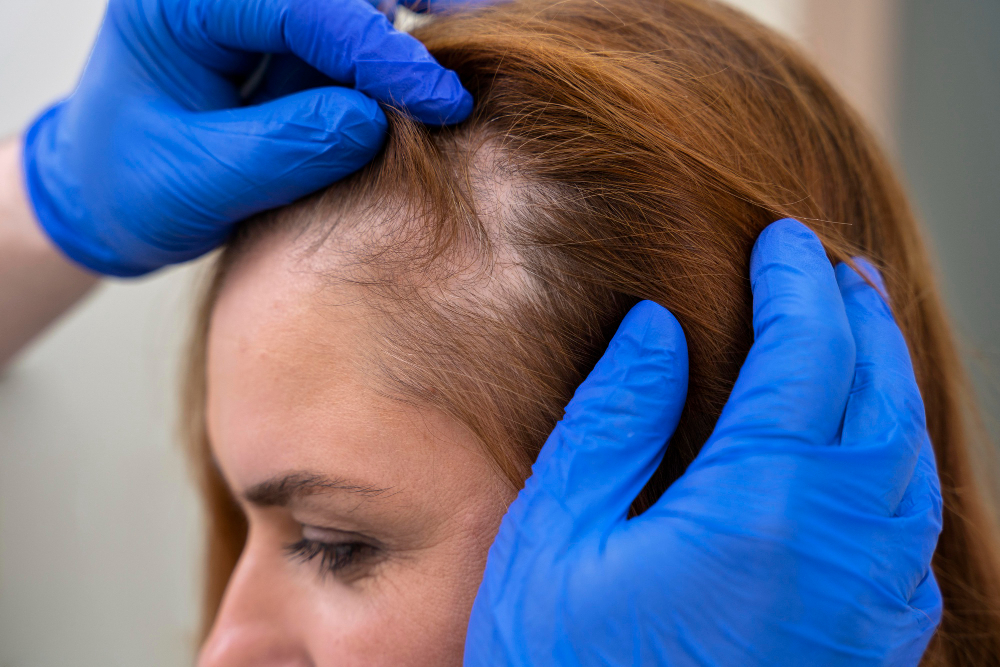
Alopecia, also known as hair loss, affects many people worldwide. It can cause stress and lower self-confidence. While some hair loss is normal, too much can be a sign of a health problem. Early attention to alopecia/hair loss helps you find the right treatment. In many cases, hair loss can be managed or even reversed. Understanding the causes and treatments is important for everyone.
Common Symptoms
Hair loss can look different for each person. However, some signs are easy to spot. Recognizing symptoms early can help you seek help sooner. Here are some common symptoms of alopecia/hair loss:
Sometimes, you may also notice itching or burning before hair falls out. If you see these signs, it is wise to talk to a doctor.
Main Causes and Risk Factors
Many things can cause alopecia/hair loss. Knowing the causes helps you find the best treatment. Some causes are temporary, while others may last longer. Here are the main causes and risk factors:
Additionally, age and certain health problems can increase your risk. If you live in a city with high pollution, this may also affect your hair health.
Diagnosis Methods
Doctors use several ways to diagnose alopecia/hair loss. Early diagnosis helps find the right treatment. Here are common methods:
Sometimes, doctors may use a special light to examine your scalp. Quick diagnosis can help you start treatment sooner.
Effective Treatment Options
There are many treatments for alopecia/hair loss. The best option depends on the cause. Some treatments help slow hair loss, while others help regrow hair. Here are some effective options:
For some, changing medications or treating an underlying illness can stop hair loss. Always talk to a doctor before starting any treatment.
Lifestyle Tips for Managing Hair Loss
Simple changes can help you manage alopecia/hair loss. While these tips may not cure hair loss, they can improve hair health. Consider these lifestyle tips:
Additionally, regular scalp massages may boost blood flow and support hair growth.
Prevention Strategies
While not all hair loss can be prevented, some steps may lower your risk. Try these prevention strategies:
Early action can help you keep your hair healthy for longer.
When to See a Specialist
Sometimes, home care is not enough. If you notice sudden or patchy hair loss, see a doctor soon. Also, if you have pain, itching, or redness, get medical advice. A specialist can find the cause and suggest the best treatment. Early help can make a big difference.
If you are worried about alopecia or hair loss, consult a specialist at Dhanvantri Poly Clinic for personalized guidance and care.