
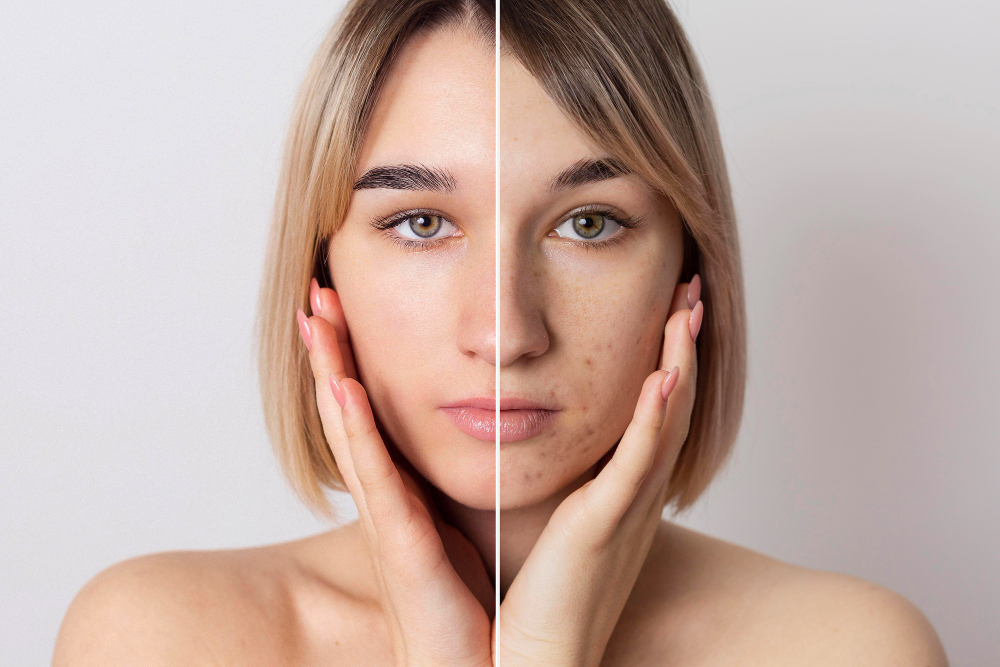
Skin pigmentation is the color of your skin, created by a pigment called melanin. Sometimes, this color can change due to many reasons. Revitalizing skin pigmentation means restoring your skin’s natural, even tone. Many people want to improve their skin’s appearance and health. In this blog, you will learn about skin pigmentation, common causes of changes, and the best treatments to help your skin look its best.
What Is Skin Pigmentation?
Skin pigmentation is the natural color of your skin. Melanin, a substance made by special cells, gives your skin its shade. Everyone has different amounts of melanin. As a result, skin color varies from person to person. Sometimes, your skin may develop dark or light spots. These changes are called pigmentation issues. While some changes are harmless, others may need attention.
Common Causes of Pigmentation Issues
Many things can affect your skin’s color. For example, some people notice changes after spending time in the sun. Others may see spots after an injury or illness. Here are common causes:
Because these causes are common, many people experience pigmentation problems at some point.
Symptoms and Signs to Watch For
It is important to notice changes in your skin. Early signs can help you get the right care. Look for these symptoms:
If you see any of these signs, you may want to seek advice from a skin specialist.
Diagnosis: How Skin Pigmentation Problems Are Identified
Doctors use several ways to check skin pigmentation issues. First, they will look at your skin and ask about your health history. Sometimes, they may use a special light to see changes more clearly. In rare cases, a small skin sample may be tested. This helps find the cause and the best treatment. Early diagnosis can make treatment more effective.
Effective Treatments for Revitalizing Skin Pigmentation
There are many ways to treat pigmentation problems. The right treatment depends on the cause and your skin type. Here are some effective options:
Because every person’s skin is unique, it is important to talk to a dermatologist before starting any treatment. According to the American Academy of Dermatology, professional care leads to better results and fewer side effects.
Lifestyle Tips for Healthy Skin Pigmentation
Healthy habits can support your skin’s natural color. Here are some simple tips:
These steps can help prevent new spots and keep your skin looking fresh.
Prevention: How to Protect Your Skin’s Natural Tone
Preventing pigmentation problems is easier than treating them. For example, using sunscreen every day can stop sun damage. Also, treating skin injuries quickly can reduce the risk of dark marks. Here are more ways to protect your skin:
By following these steps, you can help maintain your skin’s natural, healthy tone.
Consult a dermatologist at Dhanvantri Poly Clinic for personalized advice on skin pigmentation treatments.