
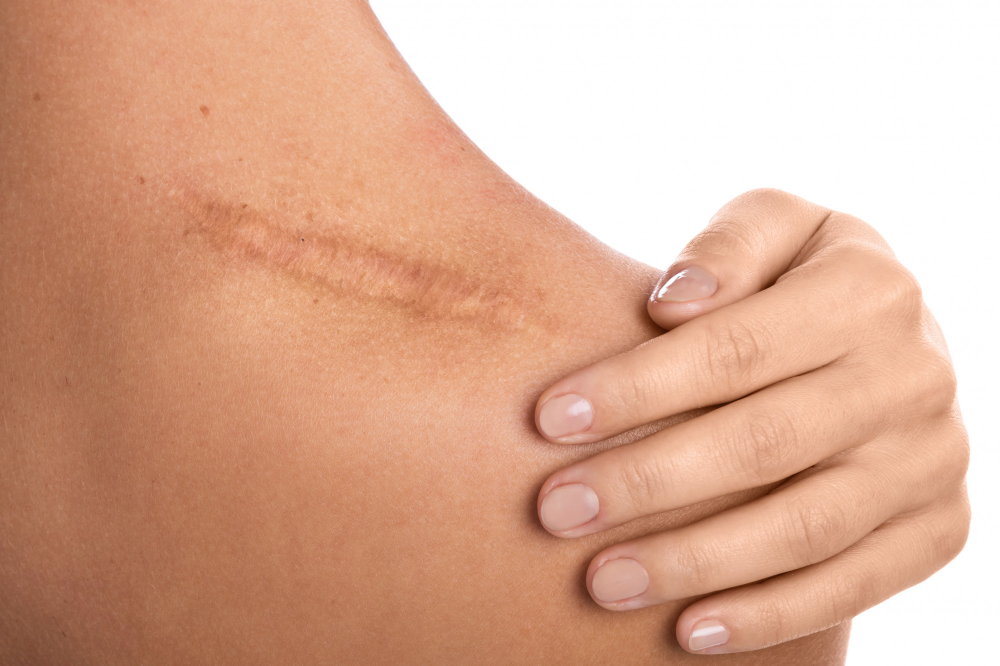
Many people want smooth, clear skin. Because of this, scar removal is a popular topic. Scars can affect how you feel about your appearance. However, not all scar removal methods work the same way. Understanding what really works can help you make better choices. In this blog, you will learn about scars, what causes them, and the best ways to fade scars. We will also share tips on when to see a dermatologist for expert advice.
What Are Scars?
Scars form when your skin heals after an injury. For example, cuts, burns, or acne can leave scars. Your body produces extra tissue to repair the damage. As a result, scars can look different from your normal skin. There are several types of scars:
Each type of scar may need a different treatment. But, knowing your scar type helps you choose the right solution.
Common Causes of Scarring
Scars can happen for many reasons. Most often, they form after:
Sometimes, how your skin heals depends on your age, genetics, and skin type. For example, some people are more likely to develop keloids. But, taking care of wounds early can help reduce scarring.
Popular Scar Removal Methods: Myths vs. Facts
Many products and treatments claim to remove scars. However, not all of them work as promised. Let’s look at some common myths and facts:
Because of these myths, it is important to choose proven, dermatologist-approved scar solutions.
Evidence-Based Treatments That Work
Several treatments have been shown to help fade scars. According to dermatology experts and the World Health Organization, the best scar removal treatments include:
However, not every treatment is right for everyone. Therefore, it is best to talk to a dermatologist before starting any new scar removal method.
Home Remedies: What Science Says
Many people try home remedies for scar removal. For example, they use aloe vera, coconut oil, or onion extract. But, research shows these do not work for most scars. In fact, some can cause skin irritation or allergic reactions. According to the American Academy of Dermatology, only silicone-based products have strong evidence for scar improvement. So, while home remedies are popular, they are not the best scar removal treatments.
Prevention Tips for Minimizing Scars
Although you cannot always avoid scars, you can take steps to reduce them. Here are some tips:
By caring for your skin early, you can help scars heal better and fade faster.
When to See a Dermatologist
Sometimes, scars can be painful, itchy, or affect your movement. In these cases, you should see a dermatologist. Also, if scars bother you or do not improve with home care, a skin doctor can help. Dermatologists offer safe, effective treatments for all types of scars. They can suggest the best scar removal options for your skin type and needs.
In summary,scar removal can be confusing with so many choices. However, only a few treatments are proven to work. If you want to fade scars safely, consult Dhanvantri Poly Clinic for personalized scar removal options.