
Introduction
Many people notice skin lumps at some point in their lives. These bumps are often harmless, but sometimes they can signal a health problem. Because some lumps may need medical care, it is important to know when to see a doctor. In this blog, we will explain common skin lumps, warning signs, and when to consult a dermatologist. Early attention can help keep your skin healthy and safe.
What Are Common Skin Lumps?
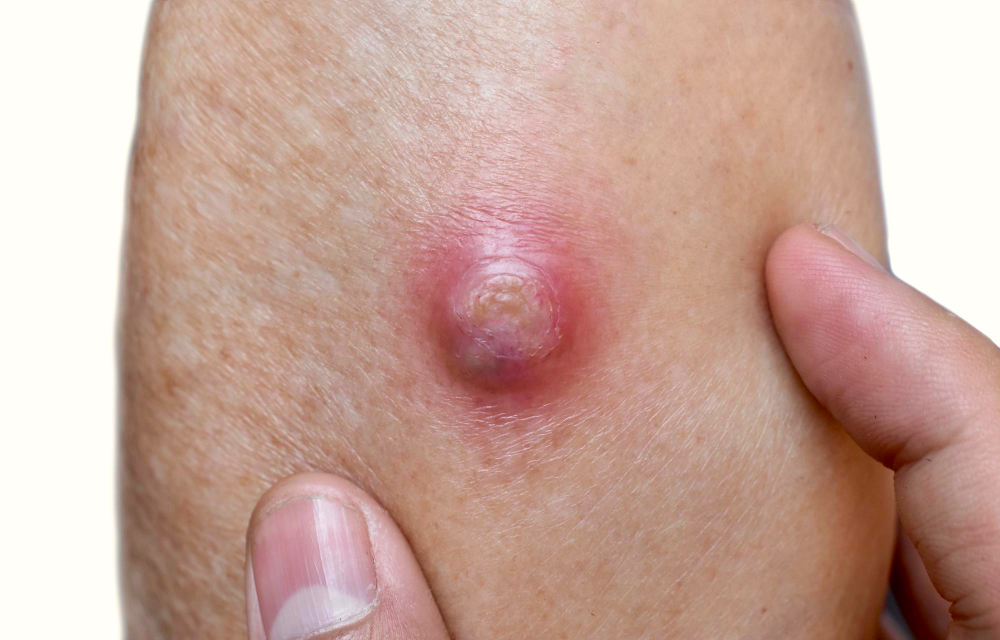
Skin lumps are raised areas or bumps that appear on the skin. They can vary in size, shape, and color. Most skin lumps are not dangerous, but some may need a closer look. Here are some typical types:
Although most of these are harmless, it is wise to watch for changes.
Symptoms and Warning Signs
Not all skin lumps are the same. Some may show signs that need quick attention. For example, you should watch for these symptoms:
If you notice any of these skin lump warning signs, it is best to see a doctor soon.
Causes of Skin Lumps
Skin lumps can have many causes. Some are harmless, while others may be more serious. Here are common reasons:
Because causes vary, it is important to get a proper diagnosis.
When to See a Doctor
Although many skin lumps are not dangerous, some need medical care. You should consult a dermatologist or doctor if you notice:
In addition, if you are unsure about a skin lump, it is always safer to seek advice. Early checks can help spot problems before they get worse.
Diagnosis and What to Expect
When you visit a doctor for a skin lump, they will first ask about your symptoms and medical history. Next, they will do a physical exam to look at the lump closely. Sometimes, they may use a special light or magnifier. If the lump looks suspicious, your doctor may suggest:
These steps help find out if the lump is benign or cancerous. Most tests are quick and safe.
Treatment Options
Treatment depends on the type and cause of the skin lump. For benign lumps, doctors may suggest:
However, if the lump is cancerous or shows warning signs, your doctor may recommend:
Always follow your doctor’s advice for the best outcome.
Prevention and Skin Health Tips
While you cannot prevent all skin lumps, you can lower your risk and catch problems early. Here are some tips:
Early action can help keep your skin healthy and reduce the risk of serious problems.
Conclusion
To sum up, most skin lumps are harmless, but some can be a sign of a health issue. Because early detection is key, watch for warning signs and see a doctor if you are unsure. If you notice any changes or have concerns, consult a dermatologist at Dhanvantri Poly Clinic for expert advice and care.