
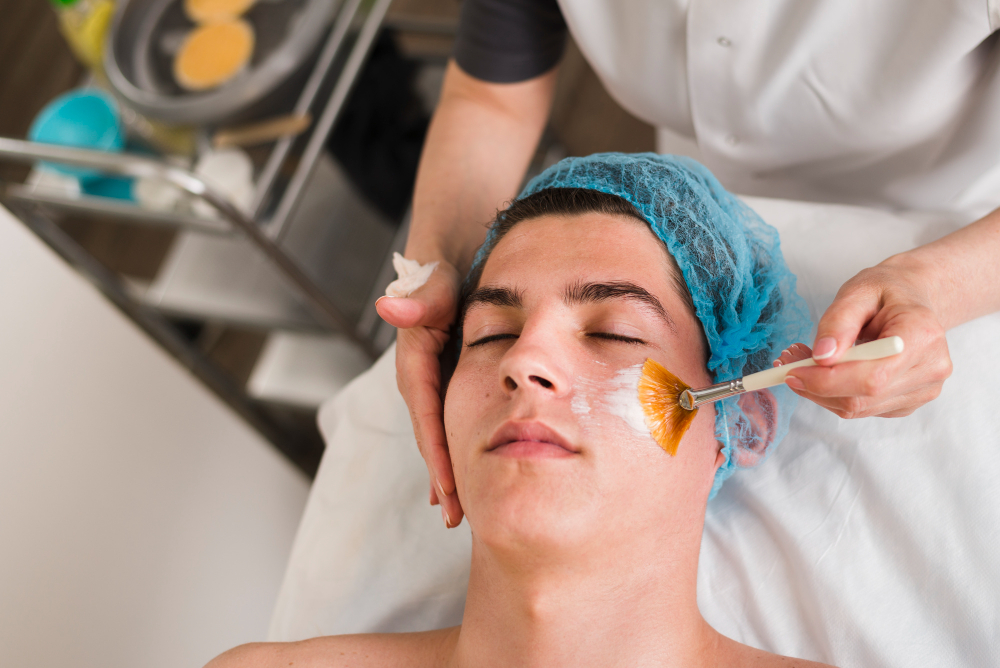
What is a Chemical Peel?
A chemical peel is a skin treatment that uses a special solution to remove the top layers of skin. This process helps reveal smoother, fresher skin underneath. Many people choose chemical peels to improve the look of acne scars. In fact, a chemical peel for acne scars is a popular option in many clinics. The treatment is done by a trained professional, often a dermatologist.
How Chemical Peels Work for Acne Scars
When you get a chemical peel, the solution causes the outer skin to peel away. As a result, new skin grows in its place. This new skin is usually smoother and less marked by scars. For acne scars, this means the skin can look clearer and more even. Over time, repeated treatments may help reduce the depth and color of scars. However, results can vary from person to person.
Types of Chemical Peels for Acne Scars
There are different types of chemical peels. Each type works at a different depth in the skin. Your dermatologist will help you choose the best chemical peel for acne scars based on your skin type and scar severity. Common types include:
Benefits and Expected Results
Chemical peels offer several benefits for people with acne scars. For example, they can:
With regular treatments, many people see smoother, clearer skin. Still, results depend on the type of peel and your skin’s response. Some scars may not go away completely, but most people notice a visible improvement.
Risks and Side Effects
Like any skin treatment, chemical peels have risks. Most side effects are mild and go away with time. However, it’s important to know what to expect. Common chemical peel side effects include:
Rarely, deeper peels can cause scarring or infection. Therefore, always choose a trained professional and follow their advice.
What to Expect During and After the Procedure
Before the procedure, your skin will be cleaned. Next, the chemical solution is applied. You may feel tingling or mild burning. The process usually takes less than an hour. Afterward, your skin may look red and feel tight. Peeling starts within a few days. Recovery time depends on the type of peel. For example, superficial peels heal in a few days, while deep peels may take weeks. This period is called chemical peel recovery. During this time, you should avoid sun exposure and follow your doctor’s care instructions.
Tips for Safe and Effective Results
To get the best results from a chemical peel for acne scars, keep these tips in mind:
With these steps, you can lower the risk of side effects and improve your results.
Prevention and Aftercare Guidance
After a chemical peel, your skin becomes more sensitive, so proper aftercare is essential. At Dhanvantri Poly Clinic, patients are advised to follow these important steps to support healing:
In summary, a chemical peel for acne scars can be a safe and effective option to improve skin texture, though results depend on your skin type and the peel used. For the best outcomes and personalised guidance, consult a dermatologist at Dhanvantri Poly Clinic.