
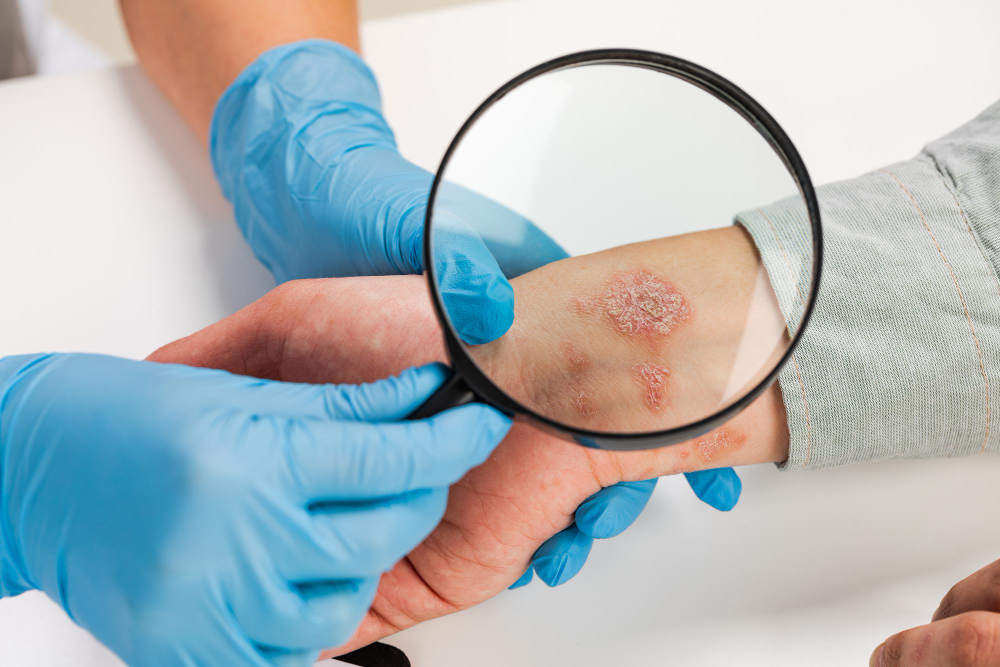
What Is Actinic Keratosis?
Actinic keratosis is a common skin problem. It causes rough, scaly patches to form on areas exposed to the sun. These patches are sometimes called sun damage skin lesions. Often, they appear on the face, ears, hands, or arms. While these spots are not cancer, they can sometimes turn into skin cancer if left untreated. According to the CDC, actinic keratosis is most common in older adults and people with fair skin.
Common Symptoms of Actinic Keratosis
Usually, actinic keratosis starts as a small, dry, or rough spot. Over time, these spots may grow or become more noticeable. For example, you might feel a patch before you see it. The most common symptoms include:
Sometimes, these patches can bleed or become sore. However, many people notice no pain at all.
Causes and Risk Factors
Actinic keratosis causes are linked mainly to sun exposure. When your skin gets too much ultraviolet (UV) light, it can damage skin cells. Over time, this damage builds up. As a result, rough scaly skin patches may form. Other risk factors include:
For instance, people who work outside or enjoy outdoor sports have a higher risk. Even brief sun exposure over many years can add up.
How Actinic Keratosis Develops: The Science Behind Rough, Scaly Patches
When UV rays hit your skin, they can harm the DNA in skin cells. Over time, this damage makes it hard for skin cells to repair themselves. As a result, abnormal cells start to grow. These cells form rough, scaly patches known as actinic keratosis. In many cases, the skin tries to heal, but the repeated sun damage keeps causing new problems. According to the World Health Organization, long-term sun exposure is the main reason these patches develop. If left untreated, some of these patches may turn into squamous cell carcinoma, a type of skin cancer.
Diagnosis Methods
Doctors can often spot actinic keratosis just by looking at your skin. However, sometimes they may need to take a small sample, called a biopsy, to check under a microscope. This helps rule out skin cancer. Usually, the doctor will:
Early diagnosis is important because it helps prevent serious problems later.
Treatment Options
There are many ways to treat actinic keratosis. The choice depends on how many patches you have and where they are. Common treatments include:
For some people, a mix of treatments works best. Your doctor will help you choose the safest option.
Prevention Tips and Lifestyle Guidance
Preventing actinic keratosis is possible with good sun habits. For example, you can protect your skin by:
Additionally, teaching children about sun safety can help prevent rough scaly skin patches later in life. If you notice any new or unusual spots, it is important to see a doctor. Early care can stop small problems from becoming serious.