
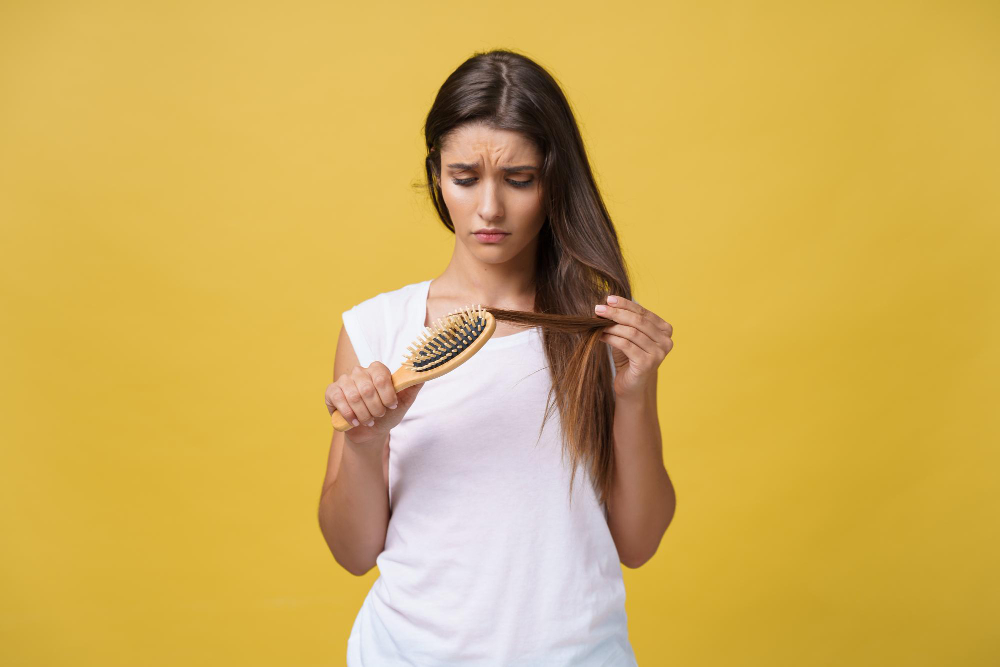
Many people worry about losing hair, but not all hair loss is the same. Understanding hair shedding vs hair thinning can help you find the right solution. In this blog, we will explain the difference between hair shedding and hair thinning, discuss common causes, and share ways to manage both. If you want to know how to manage hair thinning or why your hair is falling out, keep reading.
What Is Hair Shedding?
First, it is important to know that hair shedding is normal. Everyone loses some hair every day. In fact, most people shed between 50 and 100 hairs daily. This is part of the natural hair growth cycle. However, sometimes you may notice more hair in your brush or shower. This can happen after stress, illness, or changes in your routine. Usually, hair grows back after shedding stops.
What Is Hair Thinning?
On the other hand, hair thinning means your hair is getting less dense over time. You may see your scalp more easily, or your ponytail may feel thinner. Unlike shedding, thinning often happens slowly. It can be a sign of a long-term problem. Sometimes, hair thinning does not stop on its own. Therefore, it may need special care or treatment.
Key Differences Between Hair Shedding and Hair Thinning
Common Causes of Hair Shedding
There are many reasons for hair shedding. Some common causes include:
According to the American Academy of Dermatology, these triggers often cause temporary hair loss. Usually, hair returns to normal once the cause is gone.
Common Causes of Hair Thinning
Hair thinning can have different causes. Some of the most common include:
Unlike shedding, thinning often needs medical attention. The World Health Organization notes that some health issues can lead to ongoing hair thinning.
Diagnosis: When to Seek Help
Sometimes, it is hard to tell the difference between hair shedding and hair thinning. However, you should see a doctor if:
Early diagnosis can help find the cause and start treatment sooner.
Solutions and Treatment Options
There are many ways to manage hair shedding and thinning. Some options include:
For some people, hair may grow back on its own. Others may need ongoing care. According to peer-reviewed dermatology journals, early treatment often gives better results.
Prevention and Lifestyle Tips
While not all hair loss can be prevented, you can lower your risk by:
With these tips, you can support your hair’s health and strength.
When to Consult a Dermatologist
If you are unsure about the difference between hair shedding and hair thinning, or if your hair loss is getting worse, it is best to seek expert advice. A dermatologist at Dhanvantri Poly Clinic can check your scalp, run tests, and suggest the right treatment. Remember, early help can make a big difference.
Consult a dermatologist for personalized advice on hair shedding or thinning.